

It’s fall, and that means it’s time to plant asparagus!
I know, traditionally, asparagus is planted in the spring. But there are some solid reasons to start your asparagus on the other end of the growing season instead. Plus, if you’re impatient, like me, I’ll share how you can start harvesting asparagus up to two years sooner than you normally would.
Asparagus – a Vegetable That’s In It for the Long Game
If you’ve ever grown asparagus, or wanted to, you know this is one vegetable that requires patience. Unlike most annual vegetables we plant and grow in a season, asparagus beds take a while to become established. And by a while, I mean years.
However, once you bite the bullet, start an asparagus patch, and wait patiently for the several years it takes for it to become established, you’ll be eating asparagus for a couple of decades or more.
But I recently discovered an asparagus-growing cheat code that allows you to skip a couple of years.
Most folks plant their asparagus crowns in the spring, when garden centers and catalogs are full of bare-root stock options. But here’s the thing, planting in the fall can actually give your asparagus a serious head start.
Fall planting sets up the crowns to settle in, send roots down deep, and be ready to pop up as soon as spring arrives. By starting your asparagus crowns in the fall and using my discovery, you could be eating asparagus as soon as next spring. I want to discuss the advantages of starting in the fall, and then I’ll walk you through starting an asparagus patch. You’ll have to find your own lemon-braised asparagus recipe, though.
The Case for Fall Planting
First, fall weather is just nicer to your asparagus. Cooler soil and air temperatures mean the crowns aren’t battling extreme conditions all summer long. In spring, the soil can still be cold and wet, which slows root growth, or conversely, dry out quickly if you get hit with an early hot spell. (I live in Pennsylvania, where we get exactly five days of spring before an immediate transition to summer.)
By contrast, fall offers a much gentler start. The plant isn’t triggered by summer weather to push up huge shoots right away. Instead, it can focus all of its energy on the most important part of establishing an asparagus patch – the roots. The roots will continue to grow, even in the winter.
That brings us to the second advantage, which is time.
When you plant your asparagus crowns in the fall, they get the entire season to spread roots before winter dormancy sets in. Even if you’ve only got a few weeks, that underground settling can make a big difference.
By the time spring rolls around, those roots are established and primed to grow stalks. In the end, this means stronger spears and healthier plants, sometimes even shaving a season off the wait for your first small harvest.
Moisture is another factor working in your favor.
In many regions, fall comes with more consistent rainfall than spring. Young crowns need steady moisture to establish, and fall tends to deliver it without you having to babysit with the garden hose every other day or worry about spring deluges that can leave you with soggy, rotting crowns.
Fall tends to be the older, more mature cousin of Spring. And that balance of cooler weather and consistent moisture can make all the difference in starting a successful asparagus patch.
Let’s not forget the logistics, either.
I don’t know about you, but spring in my garden is chaos. Every gardener I know has a list as long as their arm once, just waiting for that final frost before they start working at breakneck speed—sowing seeds, transplanting seedlings, prepping beds, mulching, staking, pruning. Cripes, I’m tired just thinking about it, and it’s still two seasons away!
Planting your asparagus in the fall means one less job that you have to squeeze into that madness. (I do a lot of my perennial planting in the fall for this reason.) It also means you’re more likely to get your hands on quality crowns.
Nurseries often sell out of popular asparagus varieties early in the spring, and by the time you remember to order, you’re left with slim pickings. (Or is that just me?) Planting in the fall ensures you get the varieties you actually want, not whatever happens to be left in stock.
And finally, fall planting can lead to earlier harvests down the line.
Even though you still need to wait two to three years before harvesting asparagus in earnest (unless you use my cheat code), crowns planted in the fall often put on growth faster in their first spring.
That early vigor translates to thicker spears and sturdier ferns sooner. In the long run, you’ll get more from your asparagus bed by letting it settle in over winter.
I don’t know, in my book, starting an asparagus patch in the fall is a no-brainer. It’s easier on you and the crowns.
The Asparagus Patch Cheat-Code
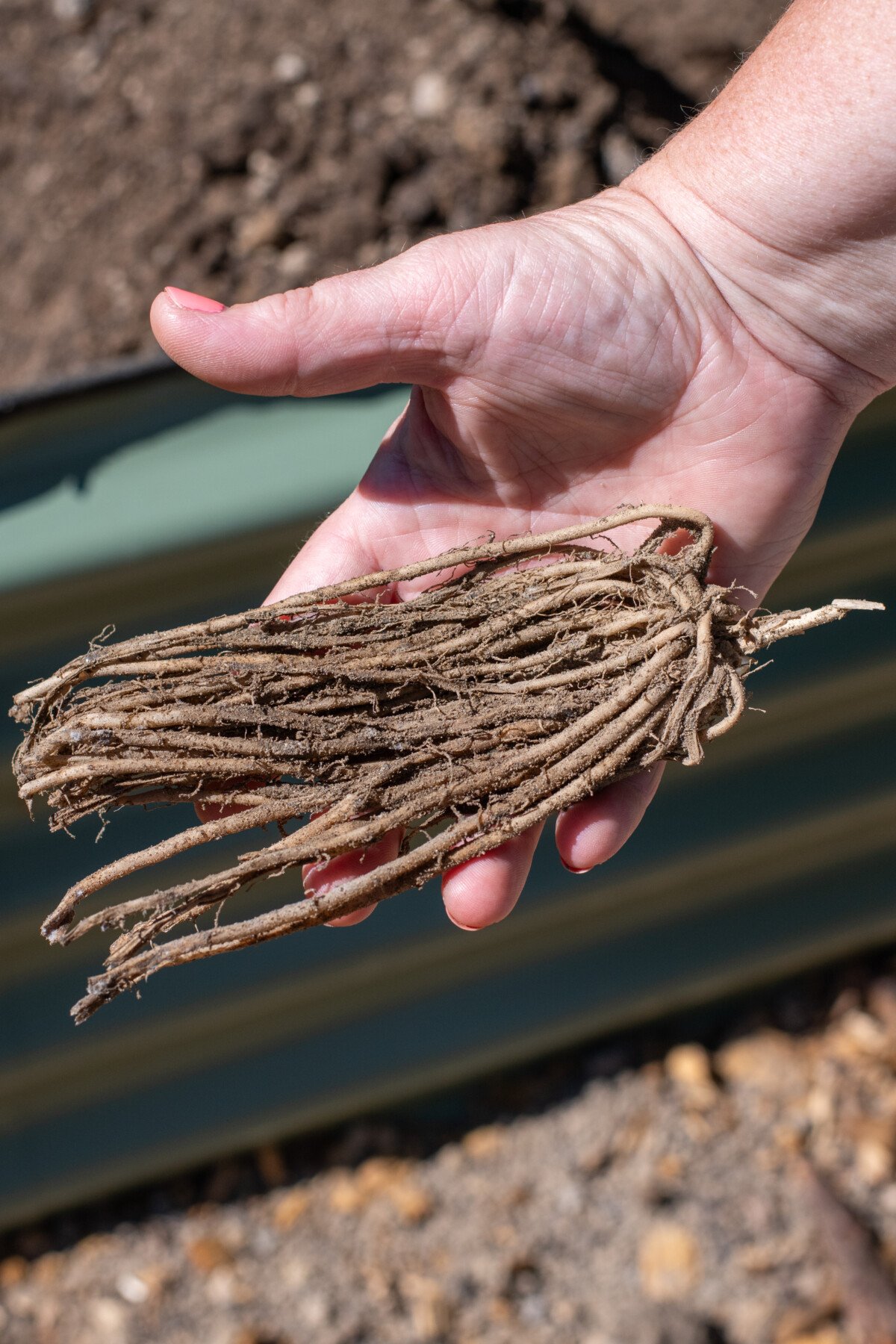
Okay, here’s the part I’m sure most of you have been waiting for. If you’re impatient like me and the thought of waiting three years makes you want to cry, there is an easy workaround. But older crowns.
Most of the bare-root stock you get in stores or even from online nurseries is only a year old.
I started wondering if I could get older crowns somewhere other than Tractor Supply or Johnny’s Seeds. So, I decided to do an Etsy search for two-year asparagus crowns. Bingo! I had to do a little sifting through the options, but, yes, you can buy 2-year asparagus crowns on Etsy. This shaves an entire year off of your wait period.
I ordered ten crowns and they arrived within days, ready to go.
And because you’re smart and planting them in the fall, that means next spring, you and I will both be able to eat asparagus from our garden. Not a lot! But some is better than none when it comes to asparagus. Just keep in mind that even with older crowns, moderation is key. Don’t overharvest too soon, or you’ll weaken the plants and sacrifice long-term productivity.
Now, go order your 2-year crowns and then let’s get planting.
How to Plant Asparagus Crowns in the Fall
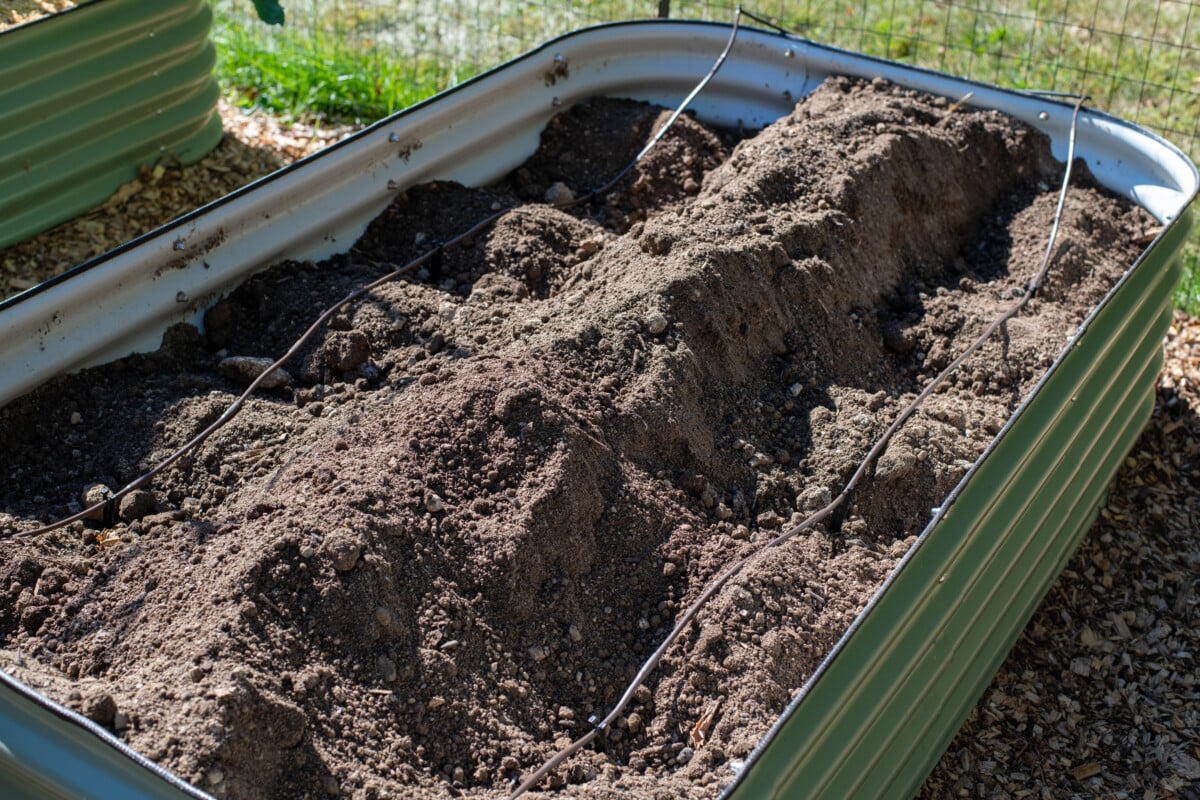
Now that you’re sold on fall planting, let’s walk through the actual process. Asparagus rewards care and preparation, so take your time and do it right. You’ll only be planting once, but you’ll be reaping the benefits for decades.
Choose Your Site (Carefully)
Asparagus is a perennial, so it’s not moving once it’s in the ground. Pick a spot that gets full sun, at least 6 to 8 hours daily, with good drainage. Avoid areas where water pools after heavy rain.
Remember, this bed will be occupied for 20+ years. You need to be mindful of where you want this bed to be. Many gardeners choose to dedicate a separate permanent bed or border just for asparagus. I have a raised bed just for my asparagus.
Prepare the Soil
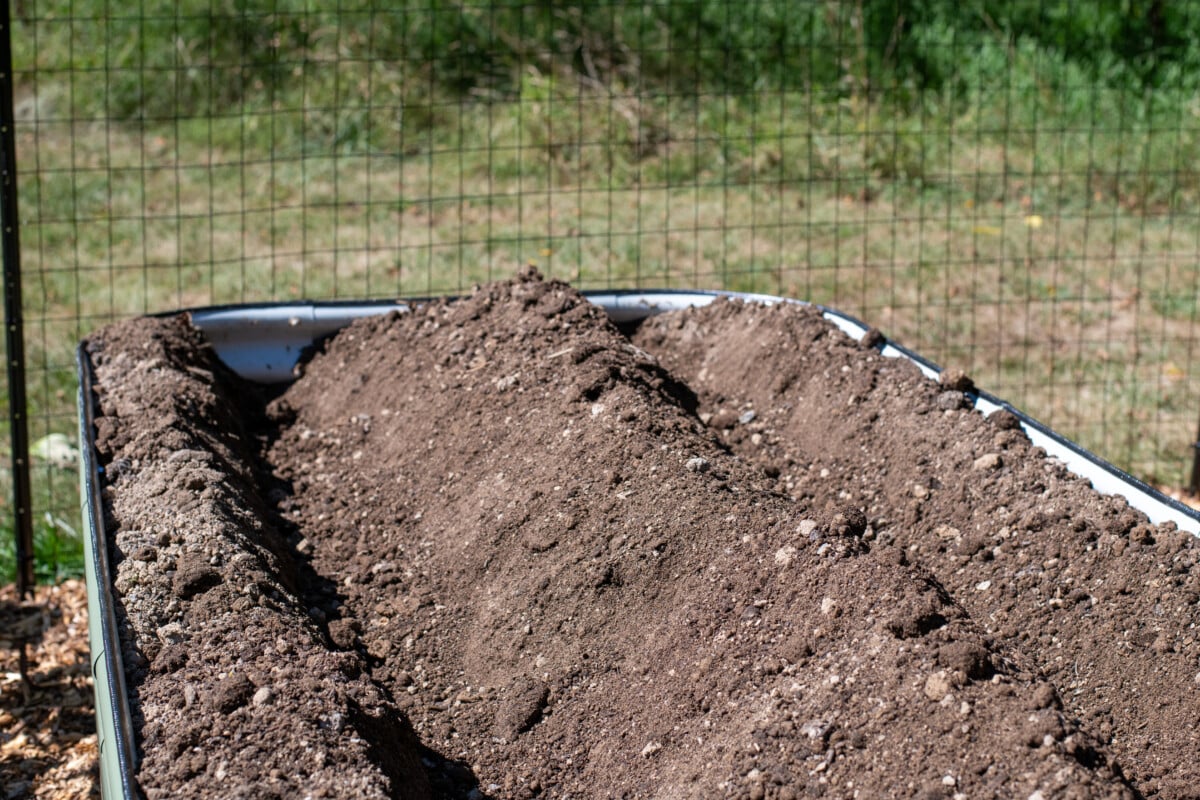
Good soil prep is the secret to happy asparagus. Start by digging a trench about 12 inches wide and 8 to 10 inches deep. If you’re planting multiple rows, keep them at least 3 feet apart so the ferns have room to spread.
Work in several inches of rich organic matter such as compost, aged manure, leaf mold or a blend of these. Asparagus is a heavy feeder, so you don’t want to skimp here. You can also add bone meal (I always have a bag of Espoma Bone Meal on hand) or a slow-release organic fertilizer high in phosphorus to encourage root growth. Mix this into the bottom of the trench to create a fertile foundation.
Lay Out the Crowns

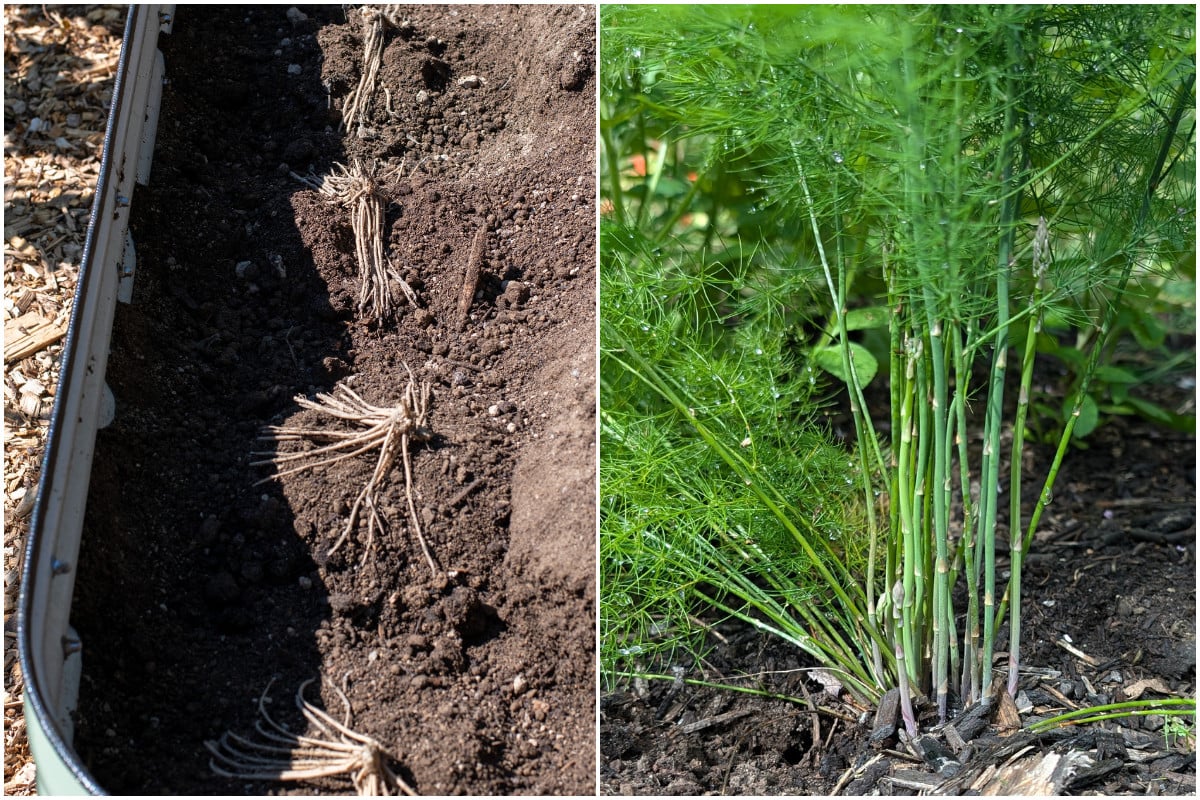
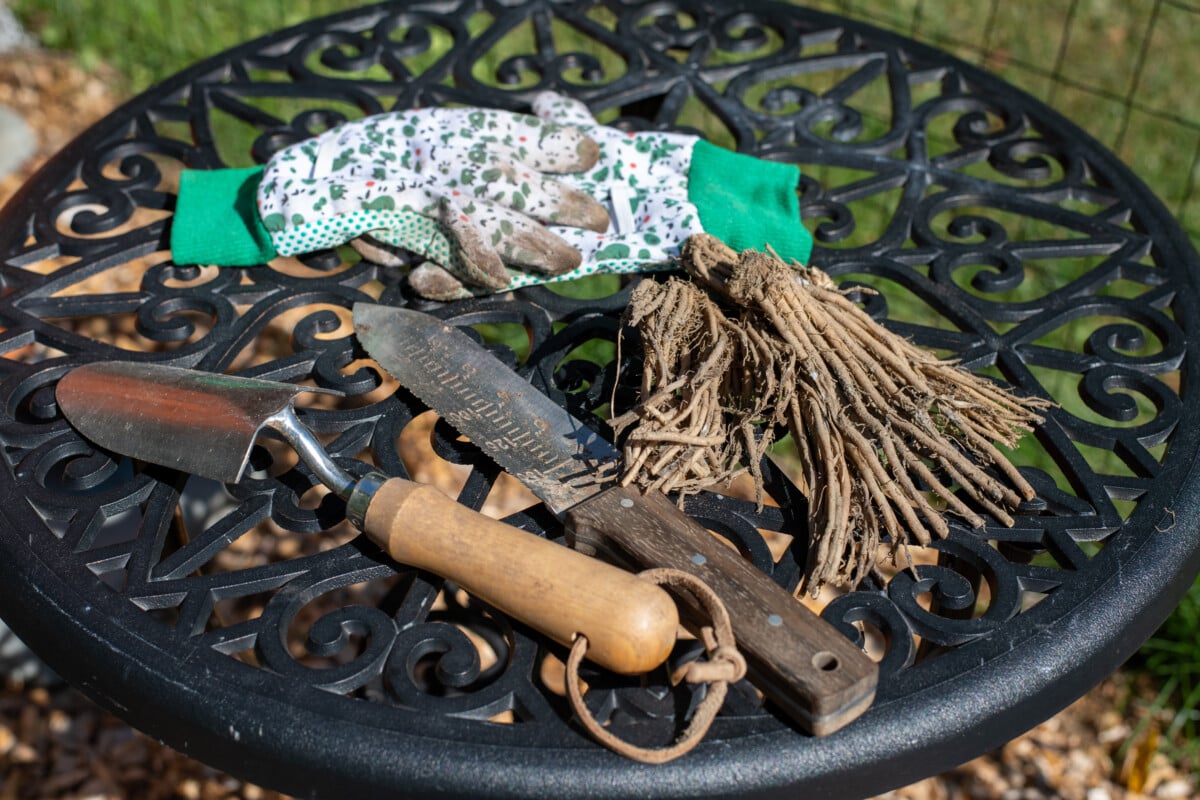
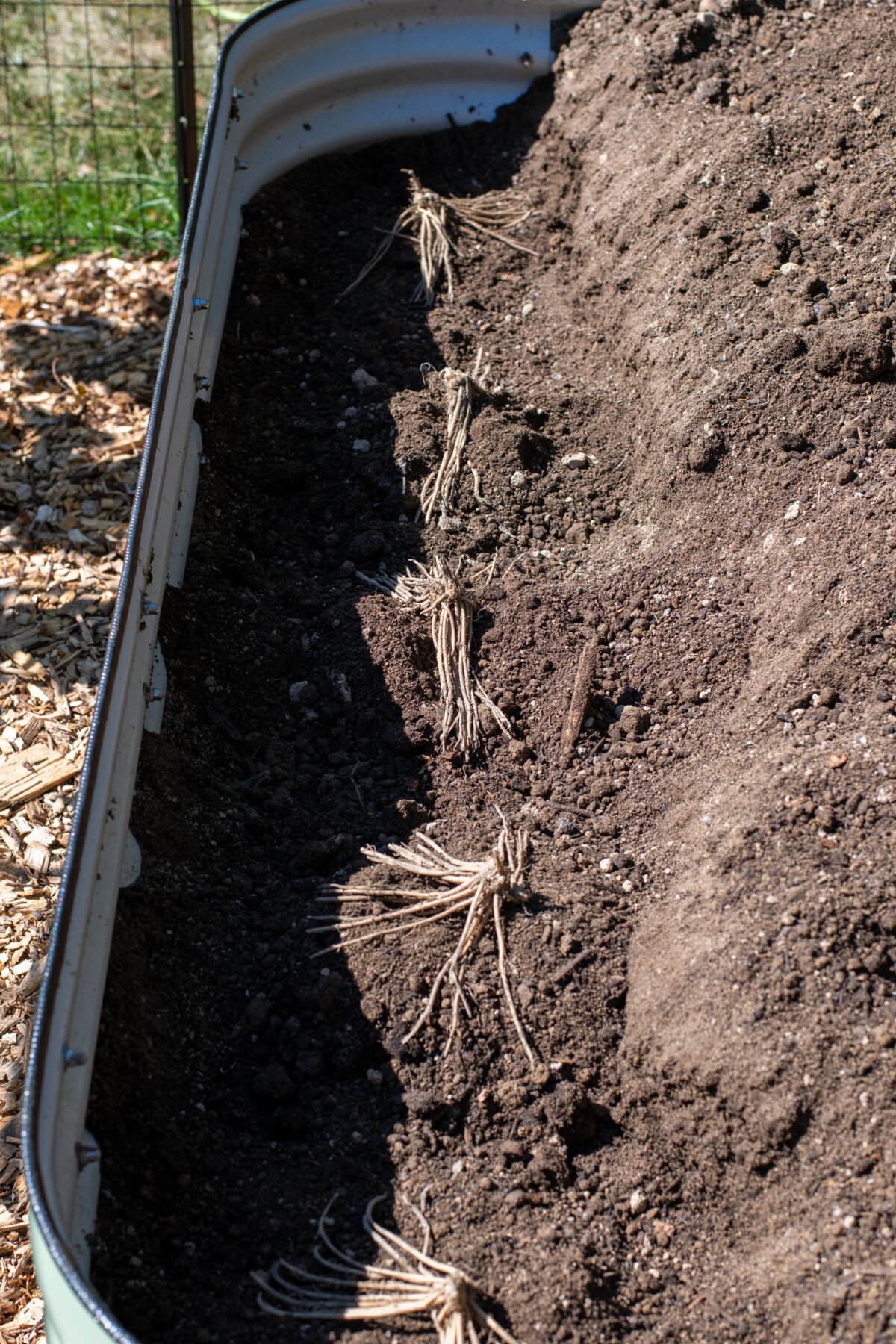
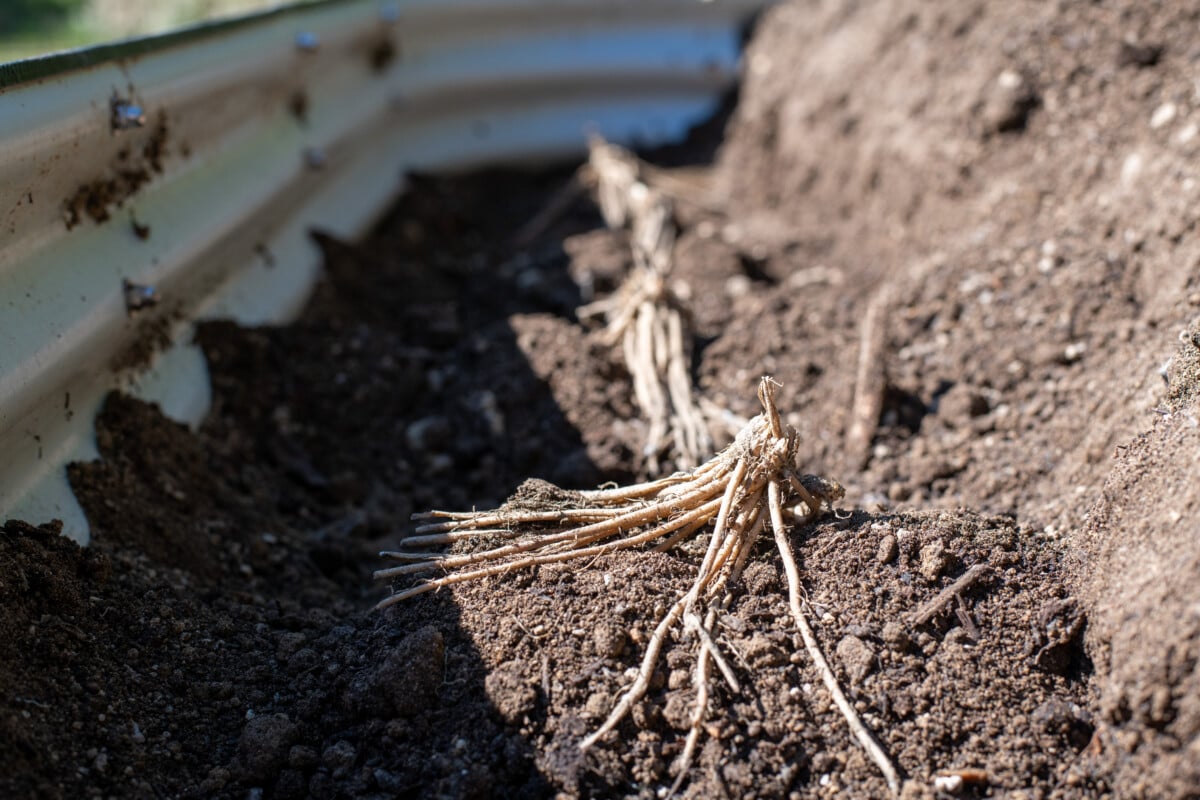
Asparagus crowns look a bit like a face hugger from the movie Alien. What? They do! They have a central nub, with spidery roots that radiate out. You want the part with the buds to point up. (Look closely, you’ll see one or two on each crown.) Place each crown in the trench about 12 to 18 inches apart, with the roots fanned out over a small mound of soil.
Backfill Gradually
Cover the crowns with 2 to 3 inches of soil, then water them well. The central bud (where the spears will emerge) should sit about 2 inches below the soil surface when you’re done covering them.
Over the course of the fall and into early spring, gradually backfill the trench with more soil as the crowns settle and begin to send up small shoots. By the end of the first growing season, the trench should be level with the rest of the bed.
Mulch and Protect
After planting, apply a thick layer of mulch such as straw, shredded leaves, or wood shavings to insulate the crowns over winter and help retain moisture. This also keeps weeds down, which is important since asparagus hates competition. In very cold regions, you’ll want to apply an extra layer of mulch in late fall for added protection.
Care in the First Seasons
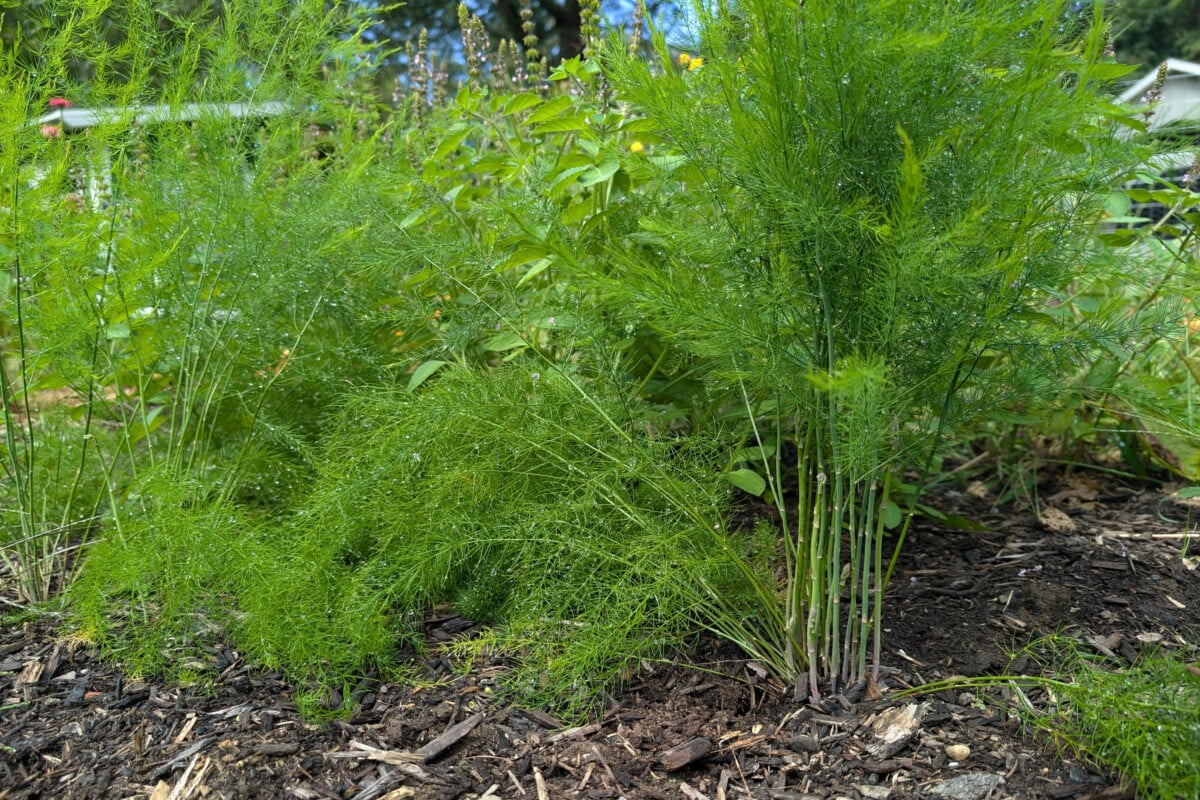
In spring, you’ll see delicate spears poking up. As tempting as it is to snap them off and throw them in the skillet, don’t do it! Let the spears grow into tall, fern-like foliage. Those ferns feed the roots, building up the plant’s reserves for future harvests. In the second year, you can take a few spears for a short harvest window, but it’s best to wait until the third year for a full harvest.
If you planted 2-year crowns, then yes, you can take a very small harvest this first year. One or two spears from each crown at most. Remember, some is better than none. You get to enjoy the taste of things to come.
Long-Term Maintenance
Asparagus beds need a little attention each year. Keep them well-mulched, weeded, and fertilized in early spring with compost or a balanced organic fertilizer. Cut back the ferns once they turn brown in late fall. With good care, your asparagus patch will reward you with a bounty of tender spears and funny-smelling pee every spring for decades. (Which you can use to fertilize your asparagus, by the way.)
Planting asparagus crowns in the fall might feel a little unusual if you’ve always associated them with spring gardening, but the benefits are pretty hard to ignore. It’s a small investment of time and effort now, which will yield decades of asparagus in the long run.
So as you’re wrapping up your garden chores this fall, make room on your to-do list for asparagus. Come spring, you’ll be glad you did.
Get Garden Notes From Tracey, Right to Your Inbox
Pull up a chair on the front porch. Join 54,000+ gardeners who get Tracey\'s friendly notes, seasonal to-dos, and hands-on tutorials three times a week.