



Last year, I moved into a new home and inherited what used to be flower beds. They were all choked and overgrown with weeds. So, when I made the decision to redo my flower beds with decorative gravel instead of wood mulch, I knew it was the way to go.
It’s tidy, low-maintenance, and it looks nice all year. And I didn’t need to put more of it down this spring in the perpetual mulch cycle.
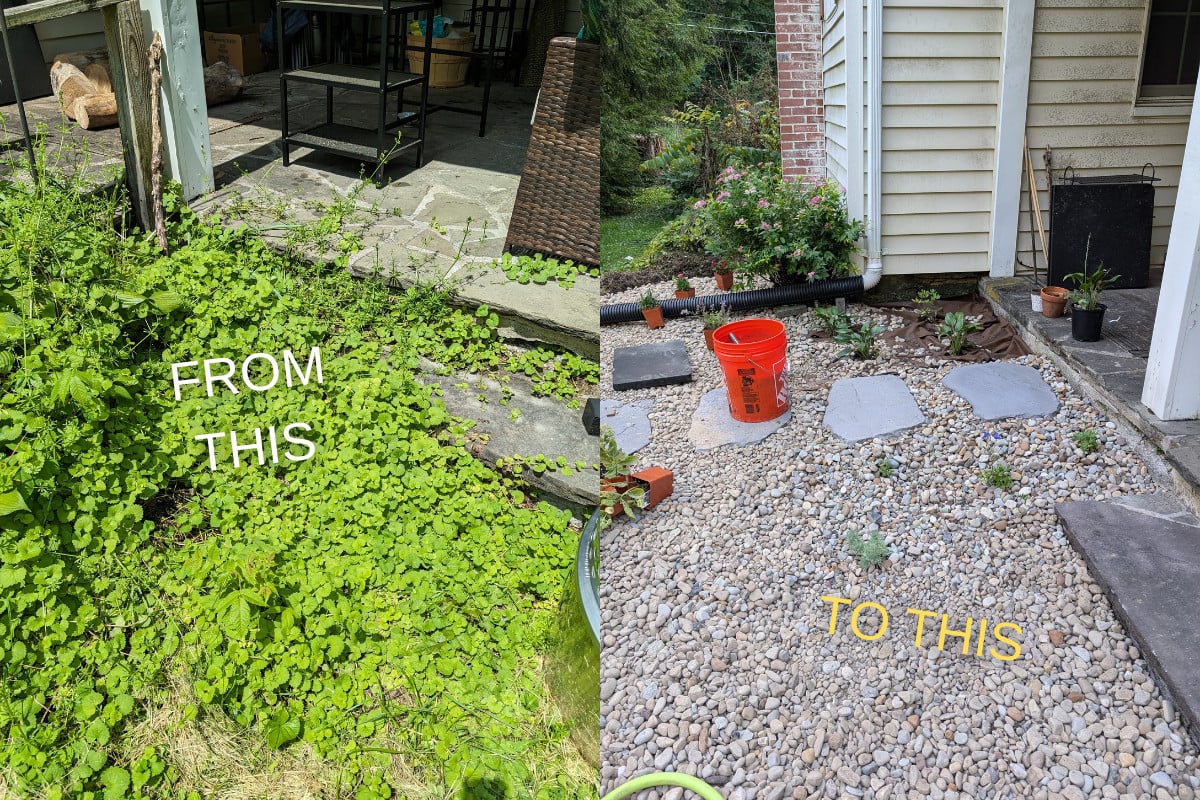
But this year, I had some unexpected visitors pop up – weeds.
Wind and birds did what they do best and distributed plenty of eager violets, crab grass and a thistle or two. Let’s be honest, though, compared to the giant green mass of Sticky Bob and Creeping Charlie I inherited when I moved in, this is still an improvement.

But I also know that it won’t take much for the weeds in my beautiful gravel beds to get out of hand. If you have a gravel path or stone-covered patio, you already know there’s no such thing as a maintenance-free landscape.
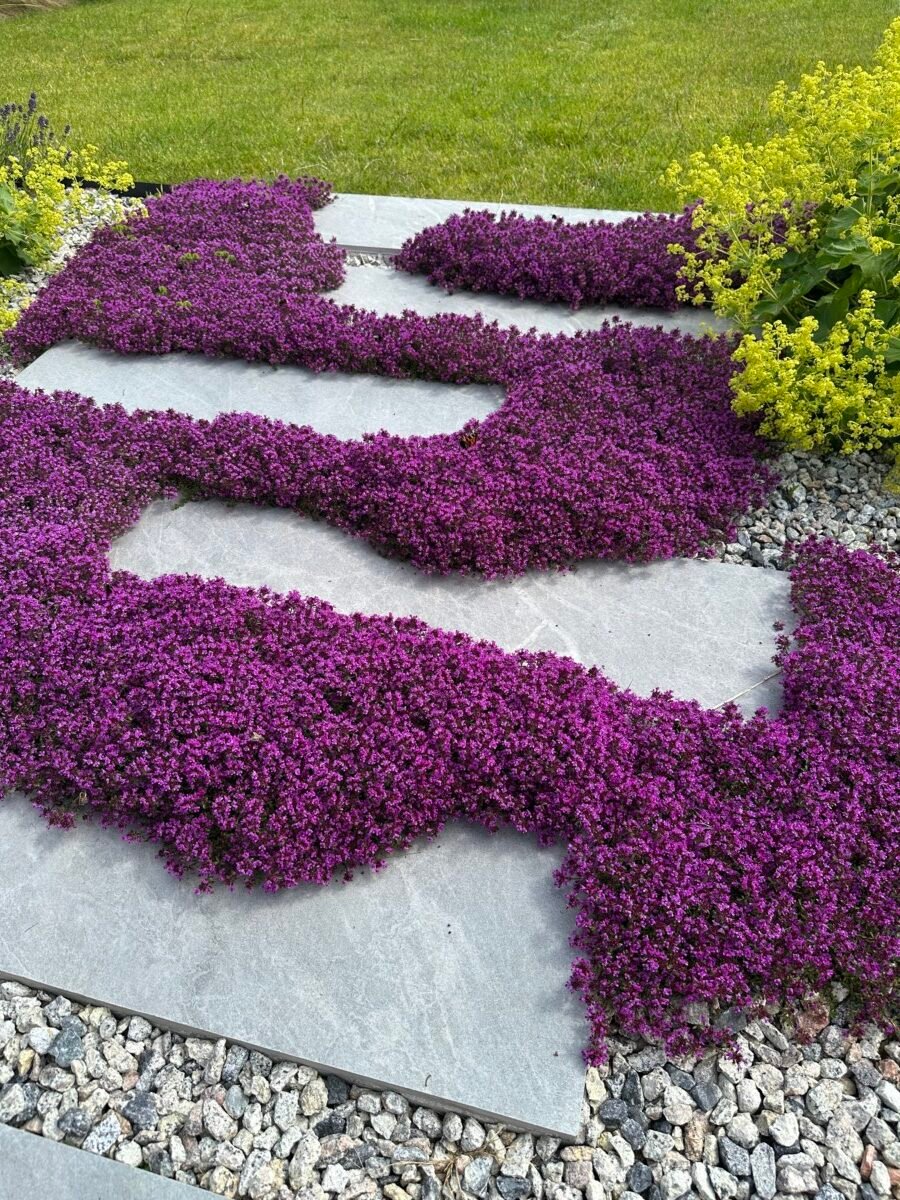
(Although decorative gravel and creeping thyme come awfully close.)
Luckily, we’ve got some pretty good tools that make the job a whole lot easier.
I wanted to put three of the most common weed control methods used on gravel to the test. Actually, let me rephrase that, three of the most common non-herbicide methods. As we all know, there is a pretty effective method that you can buy by the gallon at your local home improvement store. But like many of you, I have no desire to spray down my patio or walkways with glyphosate.
So, we’re going to look at a few other methods and compare them to see which one comes out on top: weeding by hand, propane weed torch, and horticultural vinegar.
Let’s break down what works, what doesn’t, and which one actually keeps those stone beds from turning into matted green carpets.
Hand Weeding
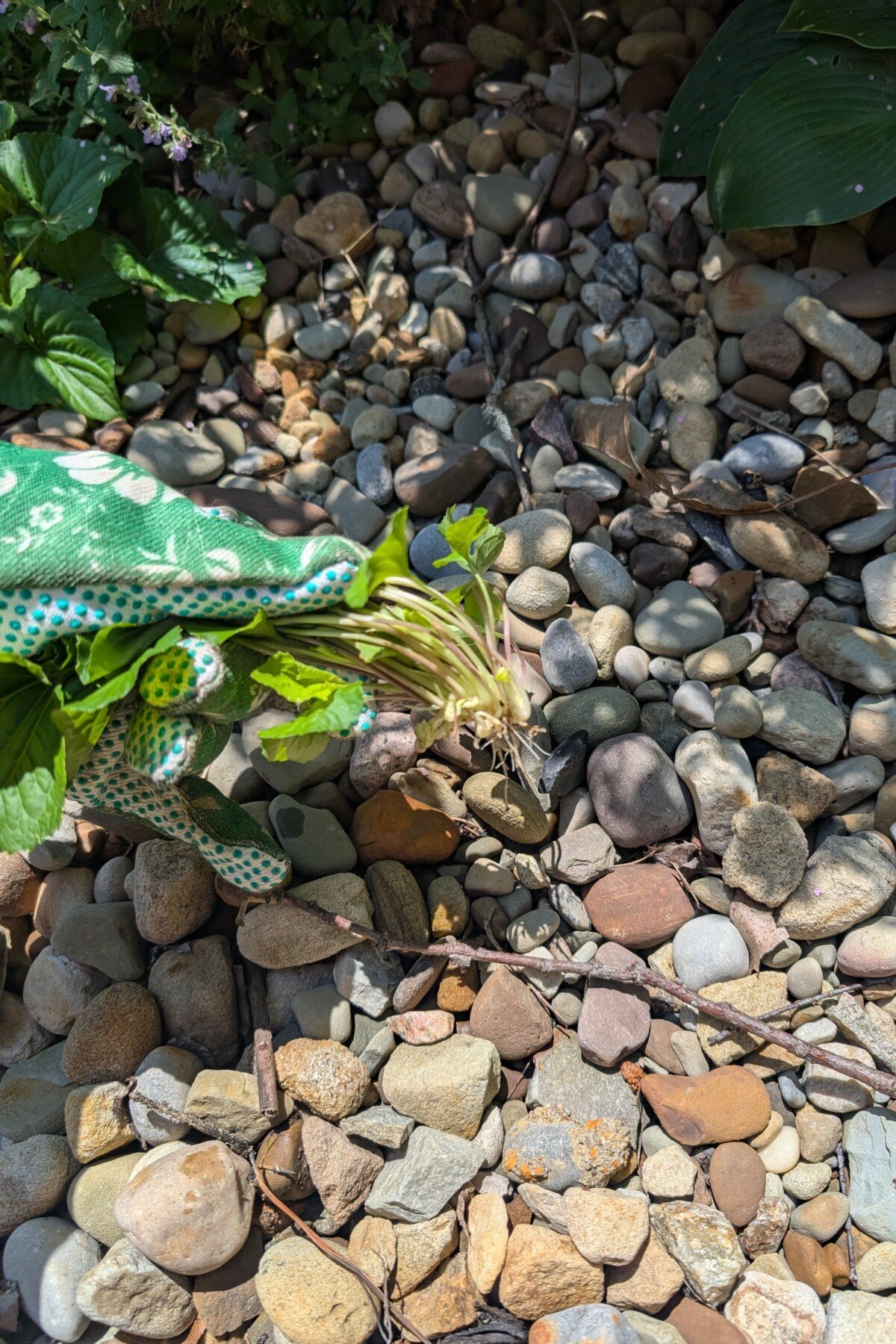
We’ll start old-school with weeding by hand. The time-honored tradition of crouching down and yanking things out by their roots. It’s effective, no doubt. You pull the whole plant up, root and all. Plus, there’s that smug sense of satisfaction when you get it all in one go.
The Pros
It works. Hand weeding is 100% effective. Because it’s precise, you don’t need to worry about coverage. You don’t need to be concerned about overspray reaching your ornamental plants. And compared to a propane torch, weeding carries less risk of injury and fire.
Did I mention that it’s cheap? You only need a pair of gloves, something to make the job easier on the knees, and if you’re fancy, a weed puller.
And despite how many of us are loath to get out there and do it, weeding by hand is downright therapeutic. It forces you to slow down. Because it’s a mindless task, you can let your mind wander, meditate, or listen to an audiobook or a podcast. Weeding is a job that forces us to slow down in a world that keeps getting faster.
The Cons
Oh, the cons. They are few, but they are mighty. Really, the only cons are that hand-weeding is time-consuming and it’s hard on your body.
If you’ve got a small patch of decorative gravel, then hand weeding isn’t all that bad. You probably don’t even need to dedicate time to it. You simply pull up the weeds in passing as they show up.
But if you’ve got a whole patio, lots of walkways or flower beds that are all gravel, then hand weeding turns from a gardening activity into a full-time job. And even if you’re retired, I’m sure you’ve got other things you would rather be doing with your time.
I’m not what I would consider old, but I’m middle-aged for sure. That means my knees and my back are not what they once were. Even with a good knee pad, spending the hour or so it takes to weed by beds, crouched on all fours, leaves me hunched over like a goblin the next day.
The Propane Torch
It’s every ten-year-old’s fantasy come true. As adults trying to maintain our landscape, we get to play with fire.
I’m not gonna lie. I was equal parts terrified and excited when I bought one of these things. Let’s just say that I got over one of these feelings quickly.
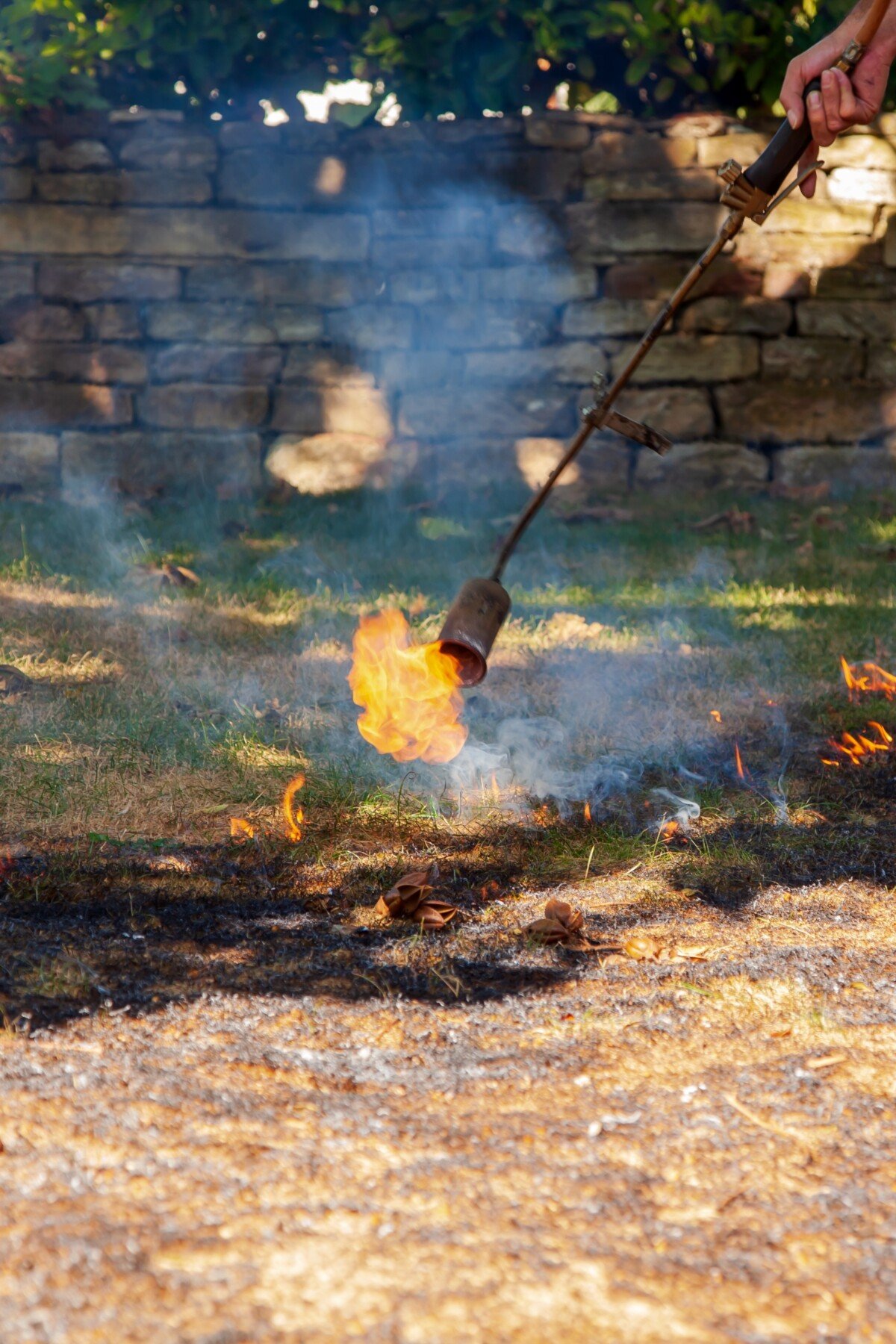
Propane weed torches have gained in popularity in recent years, and I can easily see why. Using a weed torch is undeniably fun and satisfying. I can vaporize weeds without sacrificing my knees or even getting my hands dirty.
The cool thing is you don’t actually have to incinerate the weed. You’re basically heating it until the cell walls rupture, which usually takes about one to two seconds of flame. (So don’t waste a ton of propane torching plants to cinder.) The plant will look perfectly fine afterward, but over the next day or so it will wither and die.

The Pros
This works fast. You can torch a large area in minutes. It’s especially great for driveways (like mine), paths, and anywhere away from flammable material.
A propane weed torch makes short work of annual weeds that like to pop up and ruin your day.
The torch itself is relatively inexpensive. This is the one I bought. Plus, it’s multifunctional. I can use this on the pesky part of my sidewalk that stays icy all winter long because my front door is in the shade. It’s great for getting charcoal going for grilling, and starting a fire in the fire pit has never been easier.
The Cons
Do I even need to point it out? It’s fire. This is a tool that requires common sense and respect.
You need dry weather, but not too dry. Plants need to dry after rain. No torching when it’s windy or dry enough to risk fire. You need to wear proper shoes and pants and stay alert. This isn’t a barefoot, wine-in-hand kind of gardening activity. Wear proper safety gear and follow the instructions that come with your torch.
Also, propane tanks aren’t exactly cheap these days, so there’s an ongoing cost. It’s not much, but it could add up if you’re doing large areas. And while it works well on small annual weeds, deep-rooted perennials may laugh at your flame and regrow.
Horticultural Vinegar
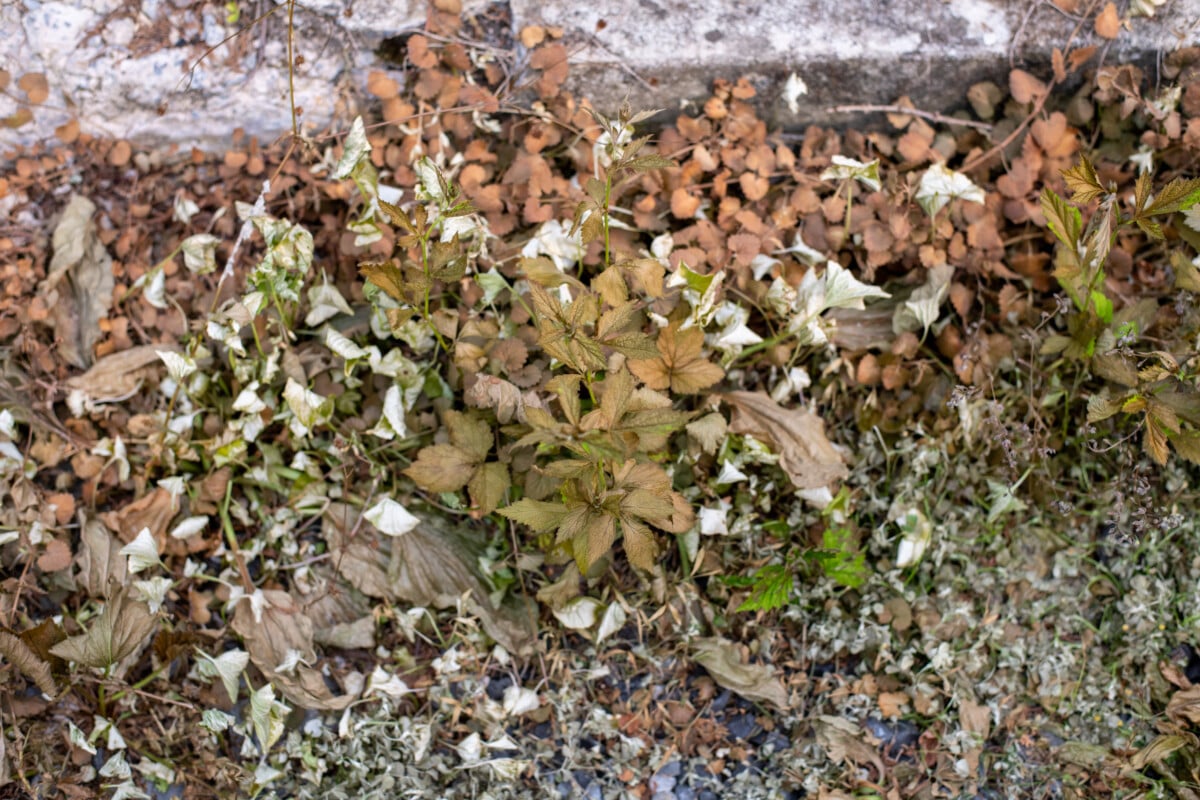
No, not the bottle in your pantry. Horticultural vinegar is an industrial-strength version with 20% – 50% acetic acid (compared to the 5% in your kitchen variety), and yes, it will absolutely fry a plant on contact. Spray it on a sunny, hot day, and it can desiccate weed leaves in a matter of hours. For shallow-rooted weeds or young seedlings, it’s often enough to finish the job.
The Pros
The appeal here is obvious. It’s a non-synthetic, non-flammable, and fast-acting solution. Great for folks who don’t want to hand-weed or play with fire. I use this quite a bit, and I always get good results with it.
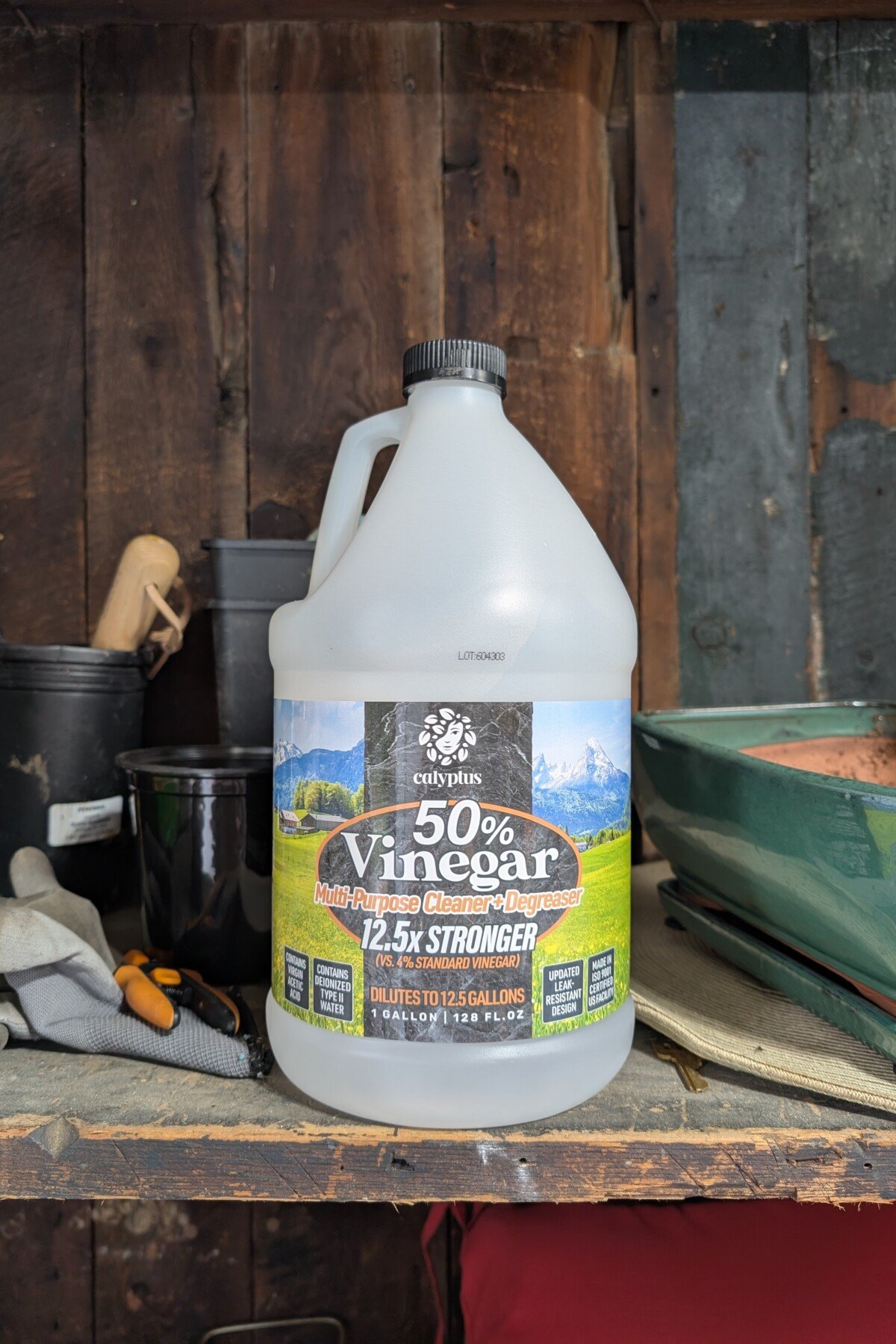
This is the brand of horticultural vinegar I use, and I also have this 1-gallon sprayer.
You can see this stuff in action and get my full experience using it by clicking here. (It’s worth clicking to see the photos of how fast this stuff works!)
The Cons
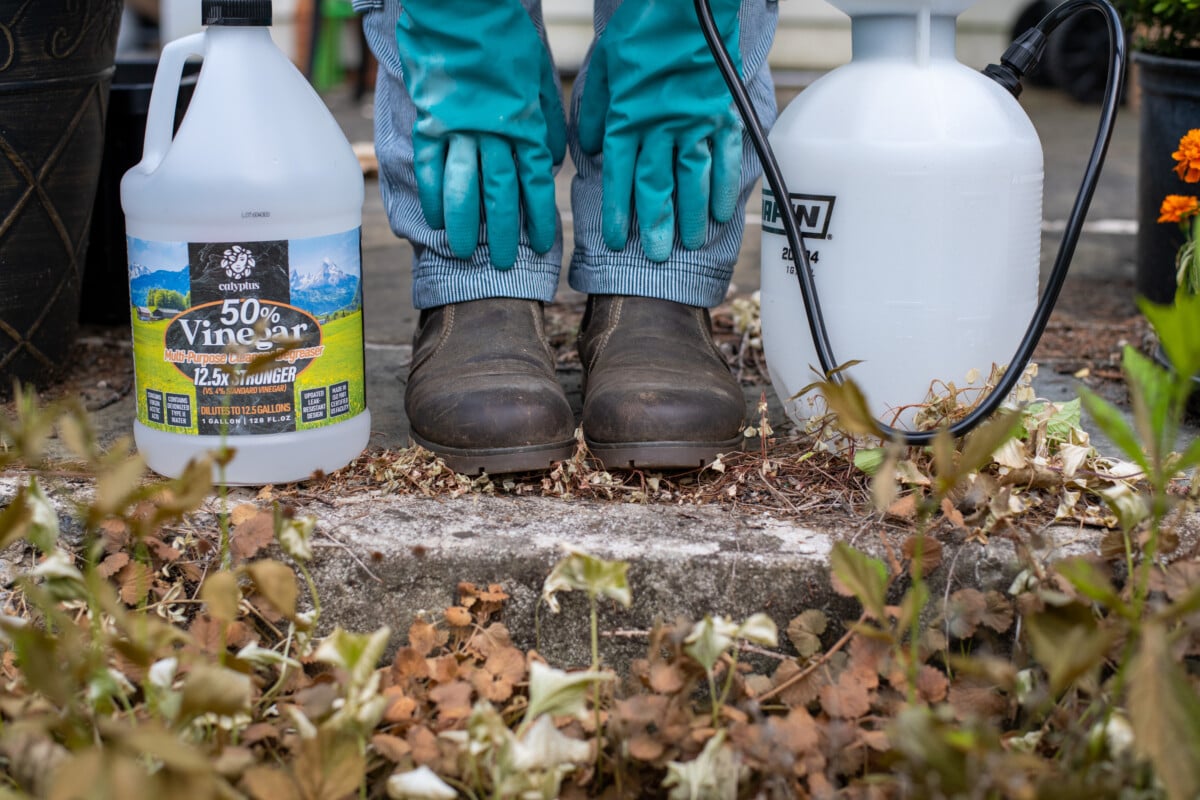
Do not be fooled into thinking this stuff is benign just because its diluted cousin is hanging out in your kitchen. Horticultural vinegar is an acid. A strong one. It can irritate your skin, damage your eyes, and burn your lungs if inhaled, so wearing the proper safety gear is an absolute must! That being said, when used appropriately, it’s a great tool.
While it’s good at destroying leaves, it rarely reaches the root. This means perennial weeds (hello, dandelions) often grow right back. If you’re persistent, you can knock them back repeatedly until the root gives up, but you need to be consistent.
Also, be careful of overspray; horticultural vinegar will fry anything it touches, including the plants you want to keep. Do not use it on windy days, and be careful where you spray.
So, which one’s the winner?
Don’t hate me, but it depends.
If you’ve got a small space, hand-weeding might be the most effective and easiest way to deal with weeds. There’s a reason it’s the gold standard for weed removal among gardeners. Yes, it’s tedious, but it’s also final. No roots left behind means you won’t have to do it again next week.
If your area is larger and you’re primarily dealing with annual weeds, the propane torch is a fast, efficient, and deeply satisfying option. Just don’t use it near anything flammable or on a windy day unless you enjoy visits from your local fire department.
If you live in an area at risk for wildfires, then the propane torch is definitely out.
If you’re looking for a non-thermal, non-labor-intensive method to knock back seedlings before they get serious, horticultural vinegar is an excellent choice. You need to be smart and wear the proper safety equipment. Again, you can read more about that here.
Your best bet is probably going to be a combination approach.
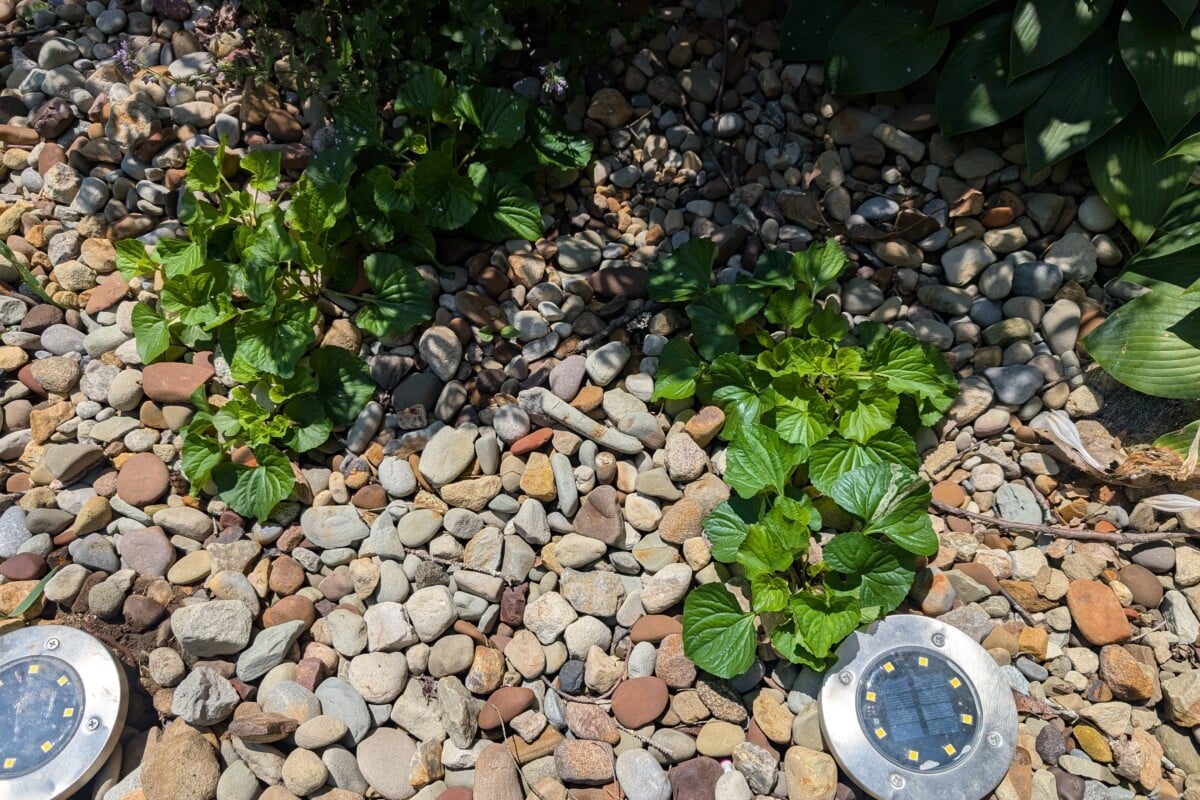
I hand weed when I’m out puttering around in the yard. I always make it a point to pull a few weeds whenever I’m on my way into or out of the house.
But I also break out the propane torch or the vinegar for when things get a little out of hand, or to do my driveway and flagstone patio.
But if I had to pick just one for decorative gravel, which would it be?
I’d say go with the torch. It’s quick, effective, doesn’t involve chemicals or bending, and with regular use, it keeps gravel tidy with minimal fuss. Plus, it’s ridiculously fun.

Get the famous Rural Sprout newsletter delivered to your inbox.
Join the 50,000+ gardeners who get timely gardening tutorials, tips and tasks delivered direct to their inbox.