

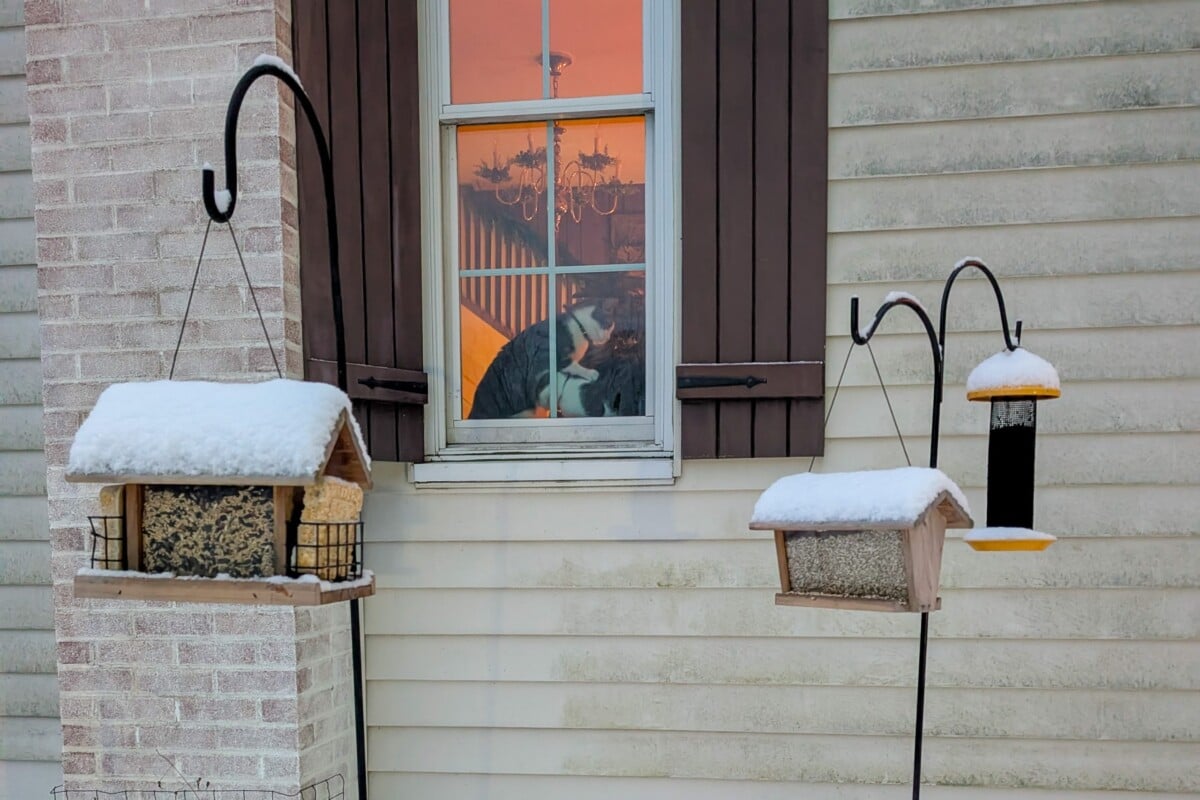
You bought the forty-pound bag of black oil sunflower seeds. You’ve got your feeder set up, maybe even two or three. You’ve been waiting patiently (or not so patiently), looking out the window for days, and still no birds? What gives?
There are a few reasons why your new bird feeder remains empty. But you don’t need to worry. With a few changes and a little more of that patience, you’ll have feathered visitors in no time.
Hello? Birds? Anybirdy There?
I bought a house in August, and one of the first things I did this fall was set up a couple of bird feeders.
Now, I may have been a bit spoiled at my old place. I had three bird feeders set up. Two right outside my dining room window for my cats’ viewing pleasure. The dozens of birds that showed up every day delighted in taunting my two cats.
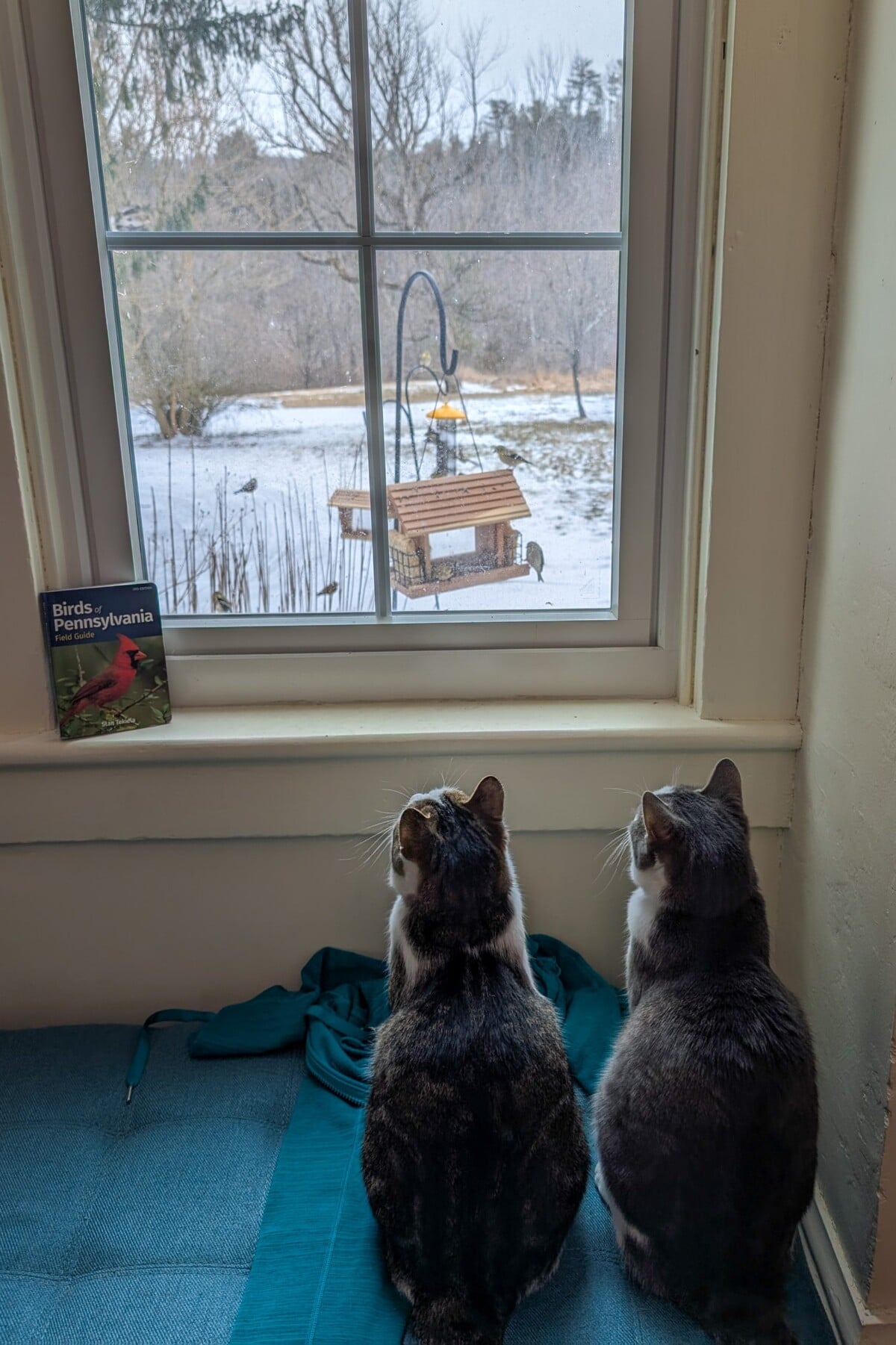
In the winter, I spent many a morning brushing my teeth and watching from my bathroom window as half a dozen cardinals flitted from the giant spruce tree down to my feeders and back again. Let’s just say when it was snowing, it took me a good ten minutes or so to brush my teeth.
So, I’ve been a little disappointed to find my new feeders sitting untouched for over a week now.
But as I stood in my dining room looking at my empty feeders, I began going through my mental checklist of bird feeder dos and don’ts.
You know, for someone who has been doing this for ages, I made several classic mistakes.
I’m going to tell you that I did it on purpose so that I could write about them and save you the trouble of making the same mistakes yourself. Yup.
Let’s take a look at the most common reasons why birds don’t visit a new feeder. (I’ll even swallow my pride and tell you which of these I did, despite knowing better.) If you follow my advice, especially my final point, it won’t be long before you find yourself needing another 40# bag of bird seed.
The Time of Year Matters
Let’s start with my biggest mistake. I treated setting up my bird feeders as just another step in unpacking and settling into my new home.
“Oh, hey, here are my feeders; I suppose I better get those hung up.”
I didn’t give what time of year it was a second thought. It was the first week of November.
Well, Trace, birds still have quite a few natural food sources available to them in the fall. So, it makes sense that your new restaurant isn’t getting any traffic when there’s still plenty to eat all around it.
If you’re going to set up a new feeder, then doing so in the winter when other food sources are harder to come by is the best time of year to do it.
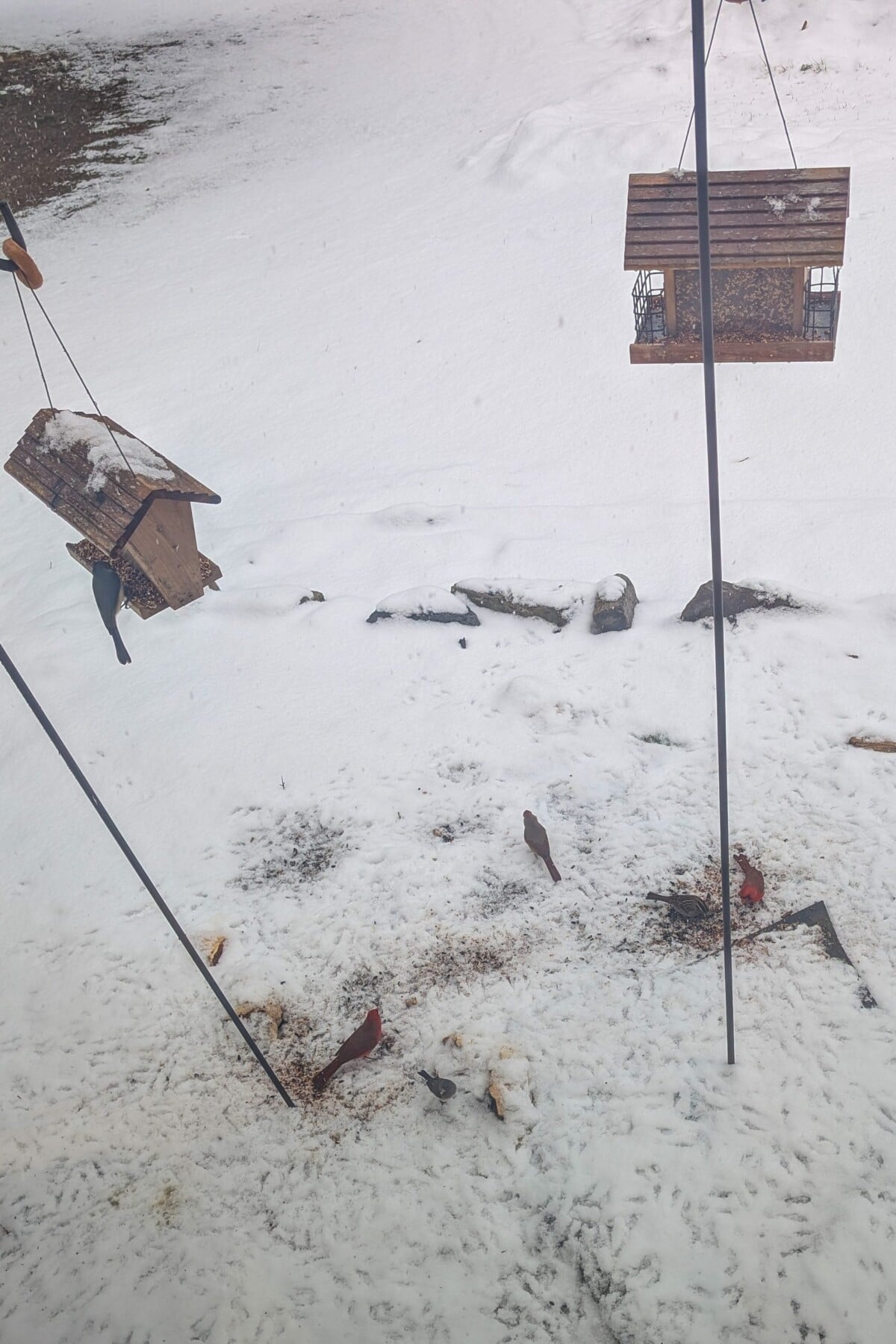
Birds are territorial eaters. Once they know where there is a steady food supply, they will return to it again and again. And the best time to get your feeder on their map is when they aren’t already inundated with food.
That doesn’t mean you can’t set up a new bird feeder any other time of year; it just means that it will take much longer for birds to pay attention to it.
Location Matters
Bird feeders are just like any other real estate: location, location, location!
There are a few important things to keep in mind when choosing a good spot for your feeders.
Protection
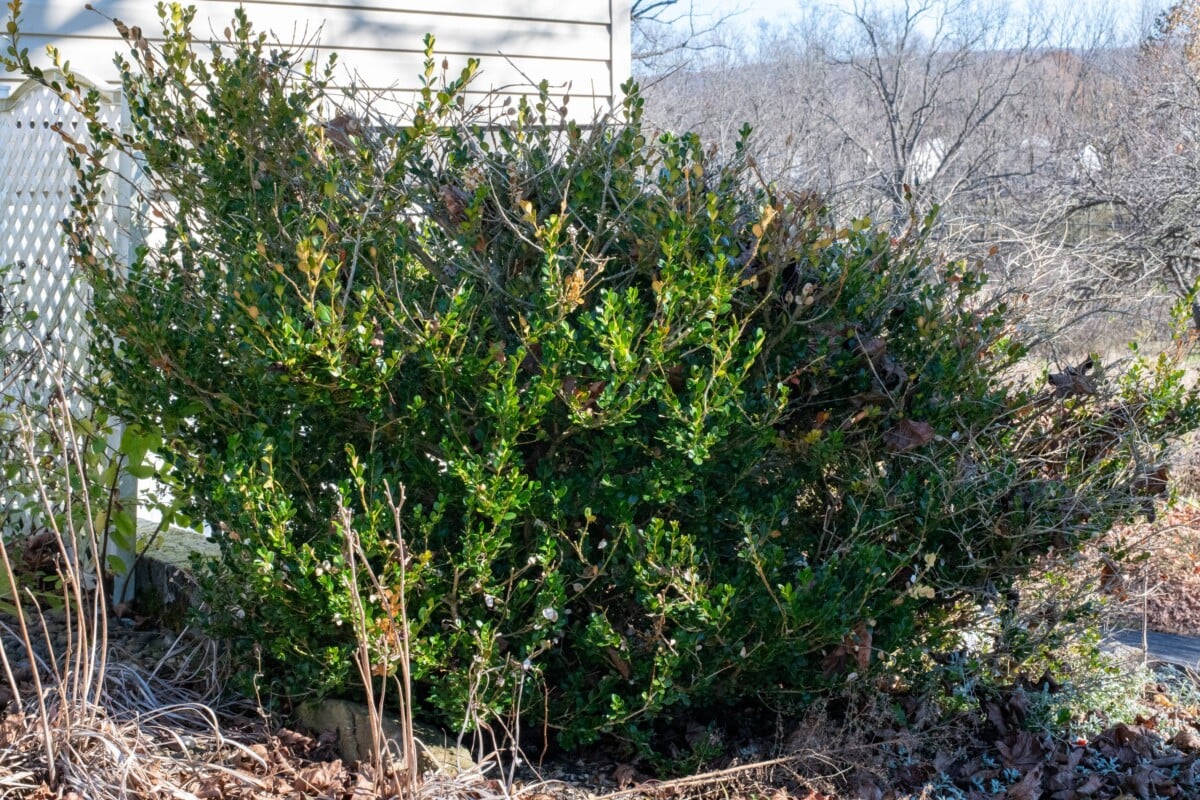
This is by far the most important aspect. Birds won’t visit a feeder that leaves them feeling exposed. Place feeders within ten feet of a tree or shrubs that offer them a place to hide or fly to, to get out of harm’s way. Providing adequate protection is especially important if you know there are cats or other predators in your neighborhood.
Windows
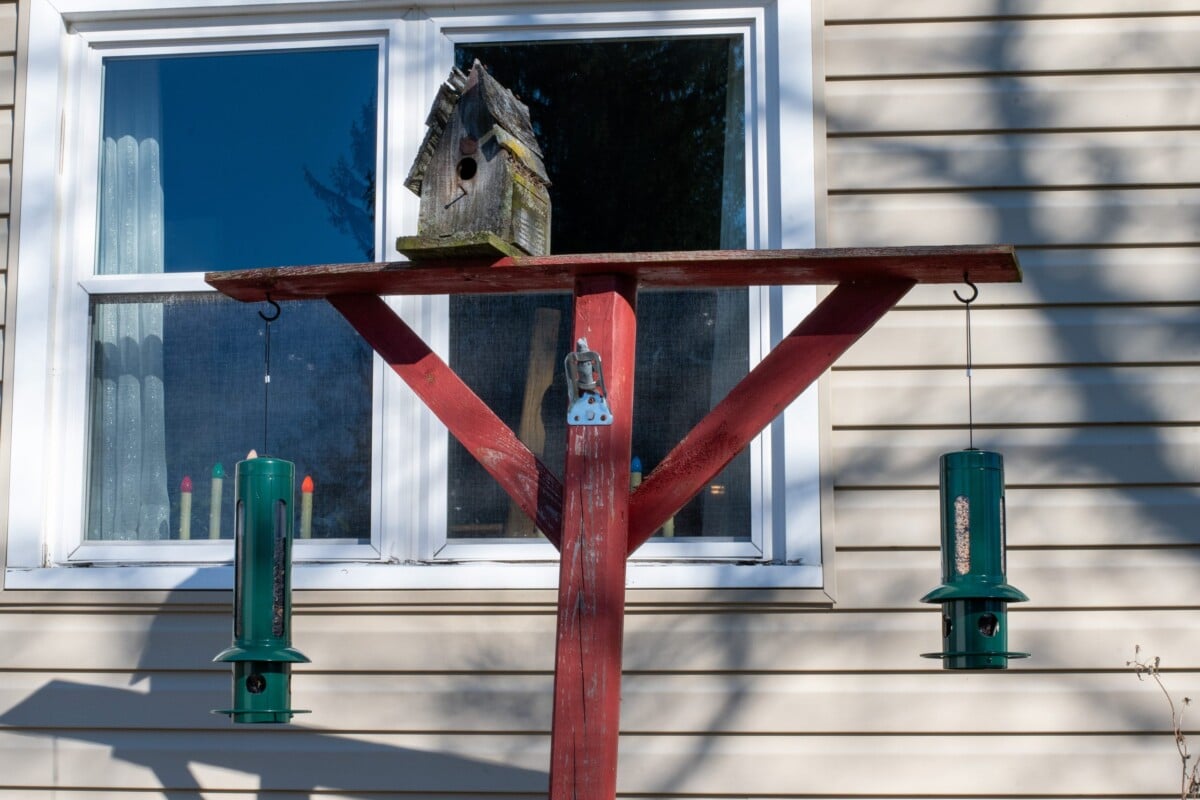
If you’re going to place a feeder near a window, it should either be within three feet of the window (birds can’t build up enough speed to strike the window at that close range) or more than thirty feet away to prevent window strikes.
Can They Reach It
Birds need a clear flight path to reach your feeder. Be sure to place the feeder above shrubs, decorations or other things that could prevent birds from flying directly to the feeder from their place of cover.
Make Your Landscape Bird-Friendly
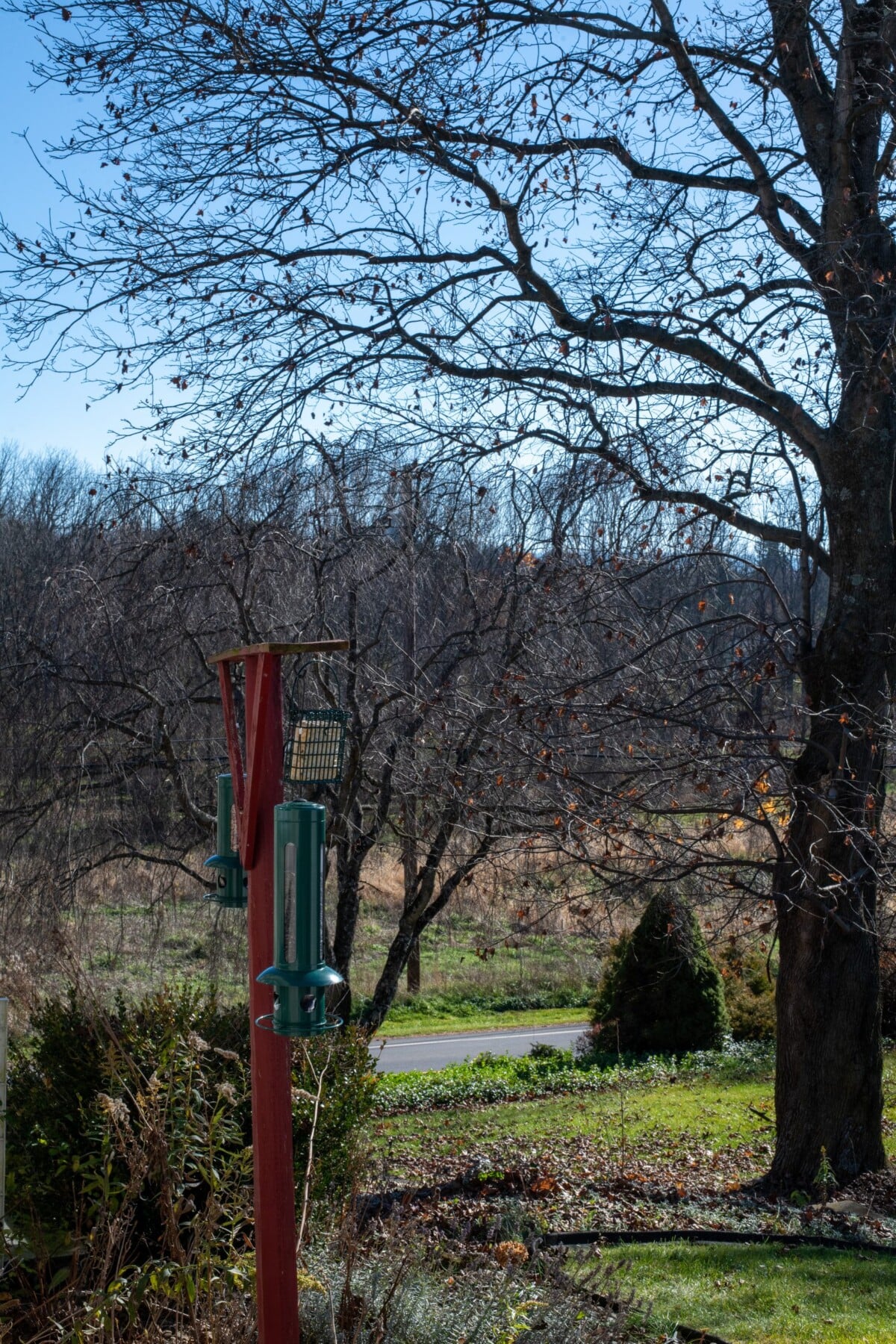
Take a look around your yard. Do you have any native ornamentals growing? How about any berry-producing shrubs, such as serviceberry, winterberry or chokeberry? Do you have enough shrubs where birds can take shelter and raise young? Making your yard a welcome place for birds year-round makes it more likely that they will use your feeders.
Feeder Type
Different birds need different feeders. Small birds like goldfinches and chickadees can latch onto the side of a thistle sock, whereas cardinals need a larger, steady perch for them to stand on while they eat. If you’re looking to attract a specific type of bird, make sure you’ve put up the best type of feeder for that species. If you want more birds overall, choose a couple of different styles of feeder to make everyone feel welcome.
(I love these tube-style squirrel-resistant feeders. Even cardinals can fit on the perches)
What Seed Are You Using?
The two most important things are not to overfill a new feeder and always use fresh seed. If you’ve got a bag of seed that’s been sitting in your garage from last year, dump it out and start fresh. Birds are smart and will skip over seed that’s gone bad or has developed mold.
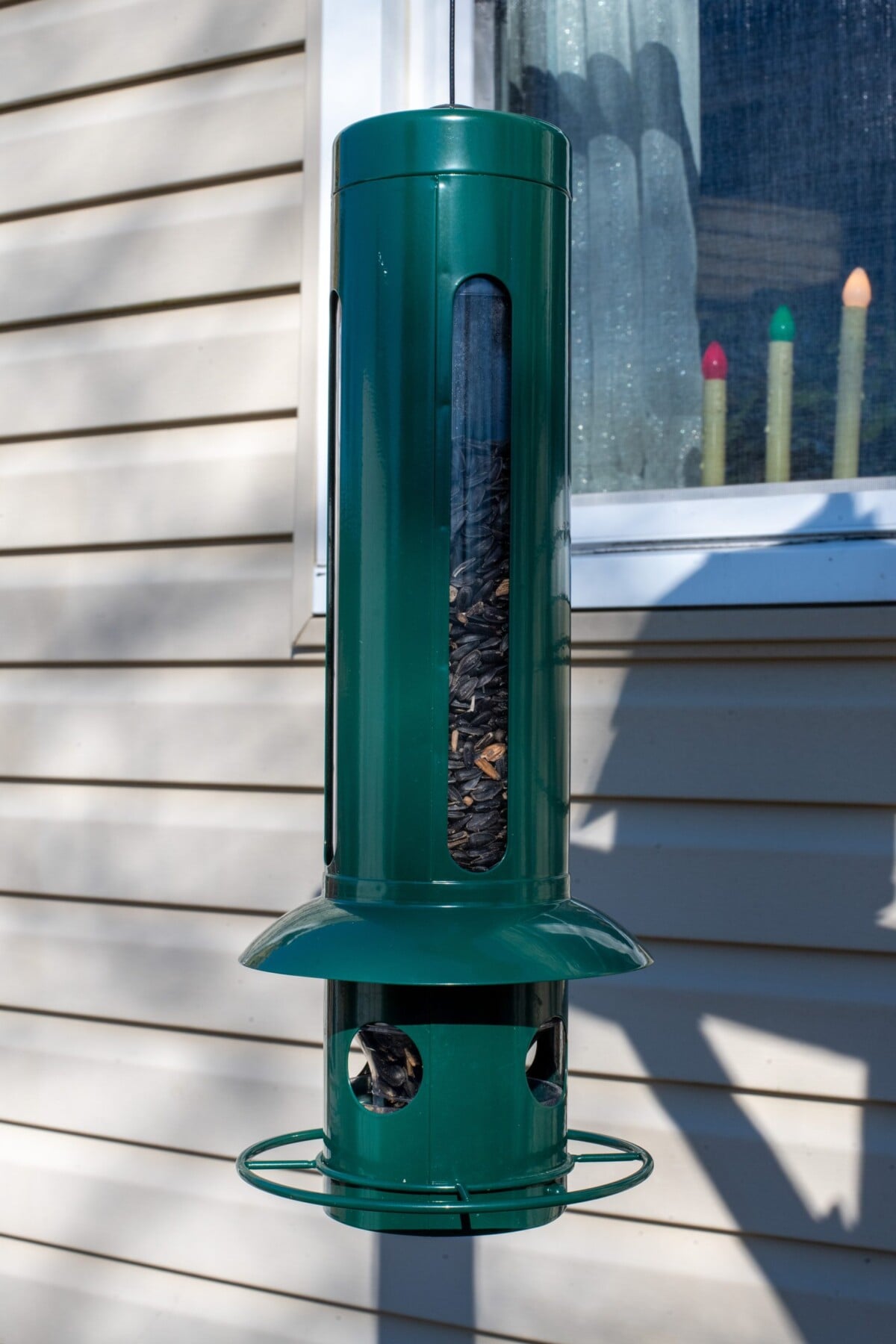
Don’t overfill new feeders. (This is the second mistake I made. I was so used to feeding birds at my old place that I filled my feeders to the top at my new house without thinking about it.) Until you have a steady stream of traffic, don’t put a lot of bird seed in your new feeder.
Insects, rain and even seed sitting in the sun for too long can cause it to spoil. Dump the seed out every week and fill it with fresh seed until the birds start using it. And don’t forget to wash your bird feeder, too.
Just like the feeder type, different types of seed will attract different types of birds.
One mistake many new bird enthusiasts make is buying cheap seed with a lot of filler. Milo, cracked corn, and wheat are common fillers that make up the bulk of most bargain mixes.
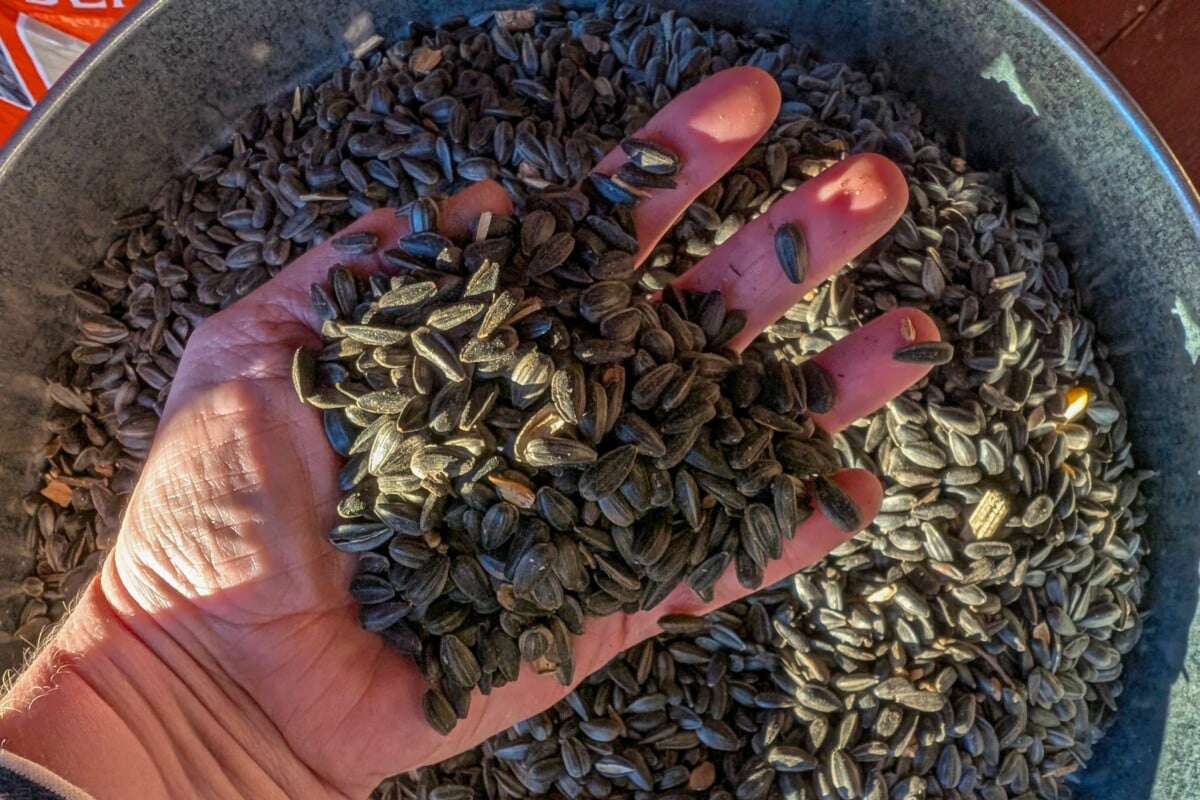
If you want birds to start using your new feeder setup, make sure you get the good stuff: black oil sunflower seed. This is one of the most popular seeds out there, and it will attract plenty of birds. Once your feeder starts getting some attention, make sure you keep it filled and clean.
If squirrels or common house sparrows become an issue, try safflower seed instead.
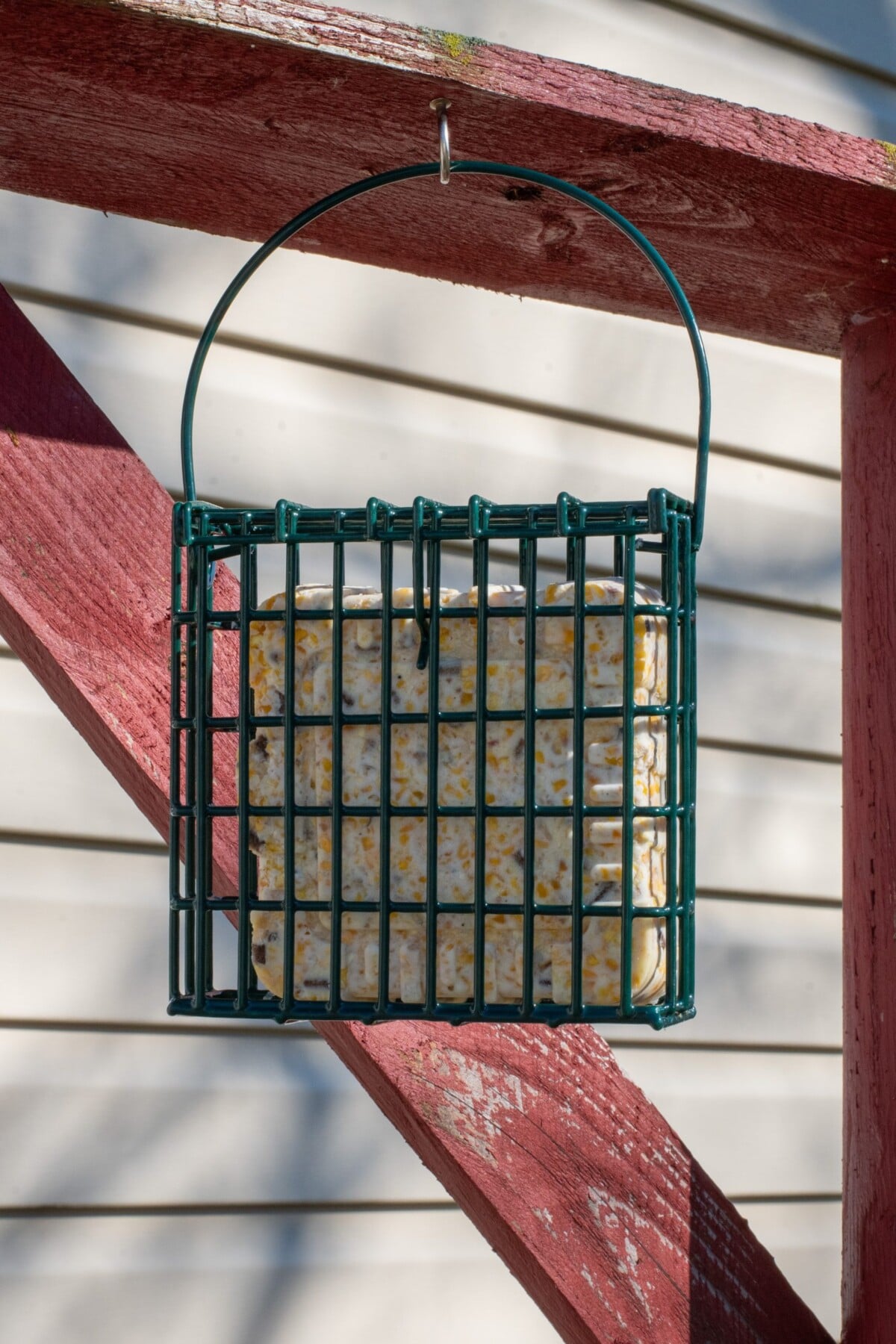
Some other great feeding options are sunflower hearts (less mess with no shells), nyjer seed for smaller birds, peanuts, sliced oranges and suet in the colder months. (Here’s my recipe for DIY suet cakes.)
A Whole New Location
If, like me, you’re starting from scratch at an entirely new location, keep in mind that bird populations are very localized. I only moved about seven miles down the road from my old place, but the bird population at my new place is very different.
Keep an eye out for what birds are hanging out in the shrubs and trees around you, and feed accordingly with the appropriate feeder. If you’re hoping to attract specific species, such as cardinals, feed what they like and use a feeder meant for that type of bird. Just know that it may take a while to draw in the birds you’re hoping to see.
Be Patient
And that brings me to my final point.
A well-tended bird feeder rarely remains unpopular for long. Eventually, the birds will come. You, my friend, just need to be patient. I know, I’m not patient either.
It’s been two weeks, and I’m sipping my coffee staring at an empty feeder in frustration. But I know better. I know that sometimes it can take a month or more for birds to find a new feeder. And if you’re setting one up in any other season than winter, it can take even longer.
Just keep putting in fresh seed (not a lot), keep your feeder clean, and make sure you’ve ticked all the other boxes we’ve discussed. One of these days, you’ll walk past your window and see a flurry of hungry birds at your feeder.
At that point, the entire game changes. Now you have to make sure you keep your bird feeder topped up and keep the squirrels out, which is another problem altogether.
(Wouldn’t you know it, the evening after I finished writing this, I found several nuthatches, a chickadee and a house finch at my feeders.)
Get Garden Notes From Tracey, Right to Your Inbox
Pull up a chair on the front porch. Join 54,000+ gardeners who get Tracey\'s friendly notes, seasonal to-dos, and hands-on tutorials three times a week.